Your marketing is working. Leads are coming in. Consultations are on the books. But only a third of those consultations turn into booked treatments. The other two-thirds walk out saying "let me think about it" and never come back.
That is the most expensive gap in your practice. You already paid $150 to $350 to get each of those patients through the door. When they leave without booking, you do not just lose a treatment fee. You lose the $5,000 to $15,000 in lifetime value that patient represented.
The difference between a 35% conversion rate and a 65% conversion rate is not better marketing. It is a better consultation process. And that process starts before the patient ever walks through your door.
Speed to lead: the 5-minute window that determines everything
The consultation conversion process begins the moment a patient submits an inquiry. Not when your front desk checks voicemail. Not when someone gets around to returning the call. The moment the form is submitted or the phone rings.
Research from Lead Connect shows that responding within 5 minutes makes you 100x more likely to reach a lead compared to waiting 30 minutes. After 30 minutes, the odds of converting that inquiry drop by over 80%.
Five minutes. That is the entire window.
Most med spas respond in 4 to 6 hours. Some take 24 hours or more. By then, the patient has already called two other practices, found one that answered immediately, and booked with them instead.
Build your response system in layers:
- Instant (0 to 60 seconds). Automated text message confirming receipt: "Thank you, [name]. We received your inquiry about [treatment]. A member of our team will be in touch within the next few minutes."
- Under 5 minutes. A real person calls or texts with a personalized response. Not a template. A human conversation.
- Missed call backup. If the call goes unanswered, an automated text fires within 30 seconds: "Sorry we missed your call. How can we help you today?"
Your CRM system should handle the automated responses. Your front desk handles the personal follow-up. Together, they ensure no inquiry sits unanswered for more than a few minutes.
Pre-consultation prep: setting the stage before they arrive
The patients who convert at the highest rates are the ones who arrive already educated, already excited, and already leaning toward yes. That does not happen by accident. It happens because you prepared them.
After booking the consultation, send a pre-consultation sequence:
- Confirmation email (immediate). Include what to expect during the consultation, how long it will take, parking details, and a brief overview of the treatment they inquired about.
- Education email (24 hours before). Send a short guide about the treatment. Include before-and-after photos, a realistic timeline for results, and answers to the three most common questions. Patients who understand what they are getting are far more likely to say yes.
- Reminder text (2 hours before). A simple reminder with your address and a note to arrive 10 minutes early if they have intake forms.
This sequence reduces no-shows by 30 to 40% and primes the patient to be an informed buyer instead of a skeptical shopper.
Include a short video from the provider who will be conducting the consultation. Even a 60-second clip introducing themselves and explaining what the consultation will cover builds rapport before the patient walks in. Patients convert at higher rates when they feel they already know the person treating them.
The consultation room: environment matters more than you think
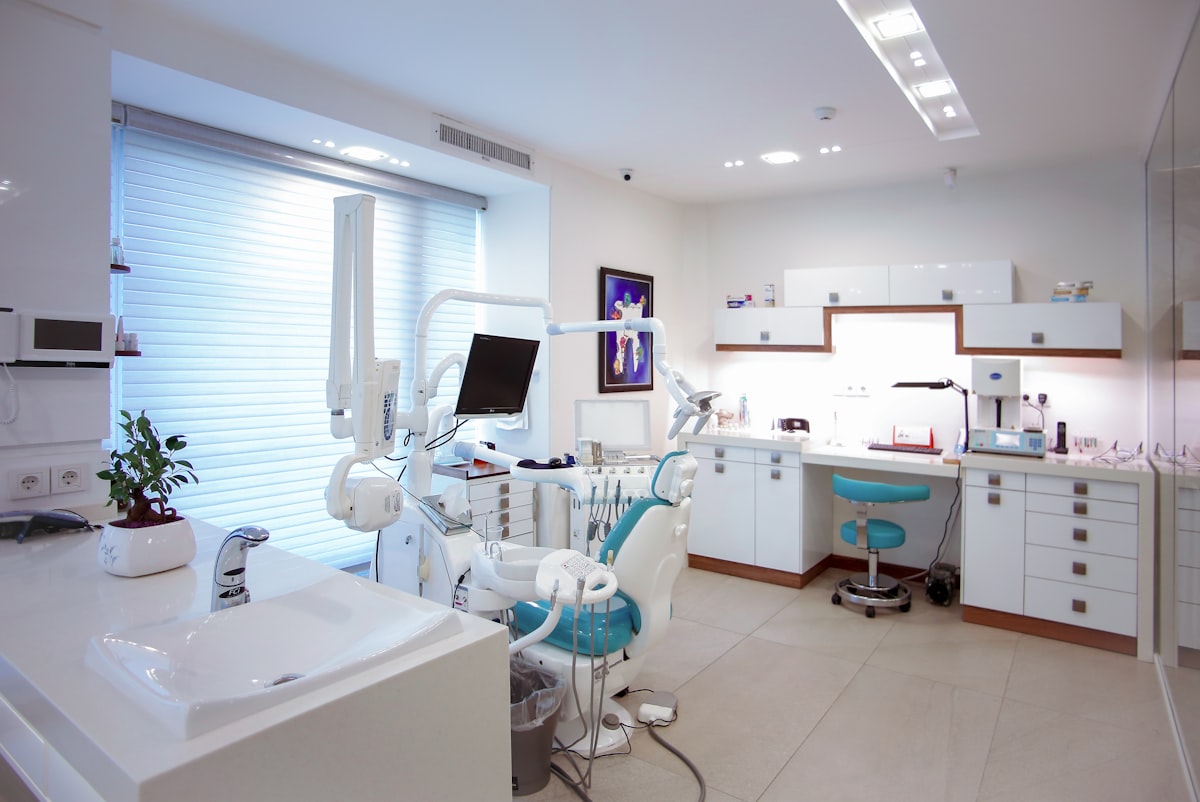
Where you conduct consultations sends a signal about the quality of your practice. A rushed conversation at the front desk while other patients check in tells the patient they are not important. A private consultation room with good lighting, a mirror, and comfortable seating tells them this is a serious, personalized experience.
The room should have:
- Privacy. A closed door. No interruptions from staff. The patient needs to feel comfortable discussing their concerns openly.
- Good lighting. Specifically, lighting that lets the provider and patient examine the treatment area together. A well-lit mirror is essential for injectable and skin consultations.
- Before-and-after photos. Physical or digital displays showing results for the specific treatments you offer. Not stock photos. Real results from your practice.
- A clean, uncluttered space. No boxes of supplies in the corner. No stacks of paperwork. The room should feel like it was prepared specifically for this patient.
Small details compound. A branded water bottle or coffee waiting for the patient. A tablet showing a personalized treatment plan. These touches cost almost nothing but signal that your practice operates at a level above the competition.
Structuring the consultation for conversion
A consultation is not a sales pitch. It is a guided conversation that helps the patient understand their options and feel confident in their decision. The structure matters.
Step 1: Listen first (5 to 10 minutes). Ask the patient what brought them in. What bothers them about their appearance? What results are they hoping for? What have they tried before? Let them talk. Resist the urge to jump into solutions. Patients who feel heard convert at significantly higher rates than patients who feel talked at.
Step 2: Examine and educate (10 to 15 minutes). With the patient's concerns clearly understood, conduct your examination. Use a mirror so the patient can see what you see. Explain what you are observing in plain language. Then present your recommended treatment plan, starting with the primary concern and expanding to complementary treatments where appropriate.
Step 3: Present the vision (5 minutes). Before you mention pricing, paint the picture of what the patient will look and feel like after treatment. Use before-and-after photos of similar patients. Be specific about timelines: "At 2 weeks, you will see the full effect. At your follow-up, we can assess whether we want to adjust anything."
Step 4: Pricing and close (5 to 10 minutes). Present the full treatment plan with pricing. Then break it down into actionable steps. More on this in the next section.
Presenting pricing without losing the patient
Pricing is where most consultations fall apart. The provider builds value beautifully, then drops a number, and the patient flinches. The conversation shifts from excitement to anxiety.
The fix is structure, not discounting.
Anchor with the full plan. Present the complete treatment plan first: "For the results we discussed, the full plan includes three sessions of [treatment] plus a maintenance session at month six. The total investment is $3,200."
Then break it into steps. "Most patients start with the first session at $800 and decide from there. We also offer financing through [provider] that brings this to about $135 per month."
Frame against existing spending. "If you are spending $200 a month on skincare products and salon facials, this treatment plan delivers results those products never will, at roughly the same monthly cost."
Never apologize for your pricing. Confidence in your pricing signals confidence in your results. If you waver, the patient will too.
According to PatientPop research, a significant percentage of patients who leave without booking are confused about what they are paying for, not unwilling to pay. Clear, structured pricing presentation eliminates that confusion.
Ready to grow your practice?
Get a custom strategy for your med spa
Schedule Your Strategy SessionNo commitment required. No credit card.
The "free consultation" debate
Should consultations be free? Paid? Deposit-based? The answer depends on your market and patient volume, but the data points in one direction.
Free consultations attract the highest volume but the lowest conversion rates. You will fill your schedule with people who are curious but not committed. No-show rates for free consultations run 30 to 50%.
Paid consultations ($100 to $200, non-refundable) attract highly committed patients but suppress volume. You may convert 70 to 80% of those who show up, but significantly fewer people will book in the first place.
Deposit consultations ($50 to $100, applied toward treatment) hit the sweet spot. The deposit filters out casual browsers while removing the financial barrier for serious patients. No-show rates drop to 10 to 15%. Conversion rates run 55 to 65%. And the patient feels good because their consultation fee applies to their treatment.
If you currently offer free consultations and struggle with no-shows or low conversion rates, test a deposit model for 60 days. Track show rates, conversion rates, and total revenue per consultation. Most practices see an immediate improvement.
Handling the top 5 objections
Every consultation ends one of three ways: the patient books, the patient objects, or the patient leaves silently. The silent ones are the hardest to recover. The objectors are your opportunity.
"I need to think about it." This means they have an unaddressed concern. Respond with: "Of course. Is there anything specific you are weighing? Sometimes I can help clarify." This reopens the conversation and surfaces the real objection.
"It is more than I expected." Break the cost into per-session pricing and monthly financing options. Compare it to what they currently spend on less effective alternatives.
"I want to research more." Offer to send them specific resources. "I will email you a treatment summary with before-and-after photos of patients with similar concerns. That way you have everything in one place when you are ready to decide."
"I need to talk to my spouse." Respect it. Offer to schedule a follow-up call where you can answer questions together. "Would it help if I joined a quick call with both of you this week?"
"I am not sure this is the right treatment." Revisit their concerns. You may have recommended something that does not align with what they wanted. Ask: "What results would make you feel like this was worth it?" Then adjust if needed.
The goal is never to pressure. It is to ensure the patient has every piece of information they need to make a confident decision.
Same-day booking incentives that work
A same-day booking incentive is not a discount. It is a reason to commit now rather than later. The best incentives add value without cutting your price.
Effective same-day incentives include:
- Complimentary add-on treatment with their first session (LED therapy, dermaplaning, lip balm application post-filler)
- Priority scheduling for their preferred date and time
- Complimentary skincare product valued at $30 to $50 to support their results
- Waived consultation deposit (if you charge one) applied as a bonus credit toward their treatment
Avoid percentage discounts. Once you train patients to expect 10 to 20% off for booking same-day, you will never close a consultation at full price again.
Same-day booking incentives work best when presented as limited and genuine. "We are offering a complimentary LED add-on for patients who start treatment this month" is more effective than "I can give you 15% off if you book right now." The first adds value. The second cheapens your treatment.
Post-consultation follow-up: recovering the ones who walked
Even with a perfect consultation, 30 to 40% of patients will leave without booking. That is normal. What separates high-converting practices from average ones is what happens next.
Build a post-consultation follow-up sequence through your CRM and email marketing system:
- 2 hours post-consultation. Personalized text: "It was great meeting you today, [name]. If you have any questions about the [treatment] plan we discussed, I am here to help."
- Day 1. Email with a written treatment summary, expected results timeline, and 2 to 3 before-and-after photos relevant to their concern.
- Day 3. Text with availability: "We have a few openings next week for [treatment] if you are ready to get started. Want me to hold a spot for you?"
- Day 7. Final check-in email: "Just wanted to follow up on your consultation last week. No pressure at all. If you have questions or want to explore other options, we are happy to help."
- Day 30. If still no booking, move them into your Boomerang™ campaign for long-term nurture.
This sequence recovers 15 to 25% of unconverted consultations. For a practice conducting 40 consultations per month, that is 6 to 10 additional booked treatments from patients who would have otherwise been lost.
Measuring and improving your consultation conversion
Track these metrics monthly:
- Inquiry-to-consultation rate. What percentage of inquiries actually book and show up for a consultation? Target: 60% or higher.
- Consultation-to-booking rate. What percentage of completed consultations result in a booked treatment? Target: 55 to 65%.
- Speed to lead. Average response time to new inquiries. Target: under 5 minutes during operating hours.
- No-show rate. What percentage of booked consultations are no-shows? Target: under 15%.
- Follow-up recovery rate. What percentage of unconverted consultations book within 30 days? Target: 15 to 25%.
Review these numbers weekly with your team. When conversion dips, diagnose whether the problem is in speed to lead, the consultation itself, or the follow-up. Each has a different fix.
Check your results page to see what structured systems look like in action.
Stop losing the patients you already won
Your marketing did its job. It got the patient through the door. The consultation is where you either capture that investment or watch it walk away. A 30-percentage-point improvement in consultation conversion, from 35% to 65%, doubles your treatment revenue without spending a single additional dollar on advertising.
Build the system: fast response times, pre-consultation prep, a structured consultation flow, clear pricing presentation, trained objection handling, and automated follow-up. Each piece compounds. Together, they turn your consultation process from a leaky bucket into a reliable conversion engine.
If you want help building a consultation conversion system for your practice, schedule a strategy session with Pronk MedSpa Marketing. We will audit your current inquiry-to-booking pipeline, identify where patients are dropping off, and build the CRM automations, follow-up sequences, and team scripts that close the gap.