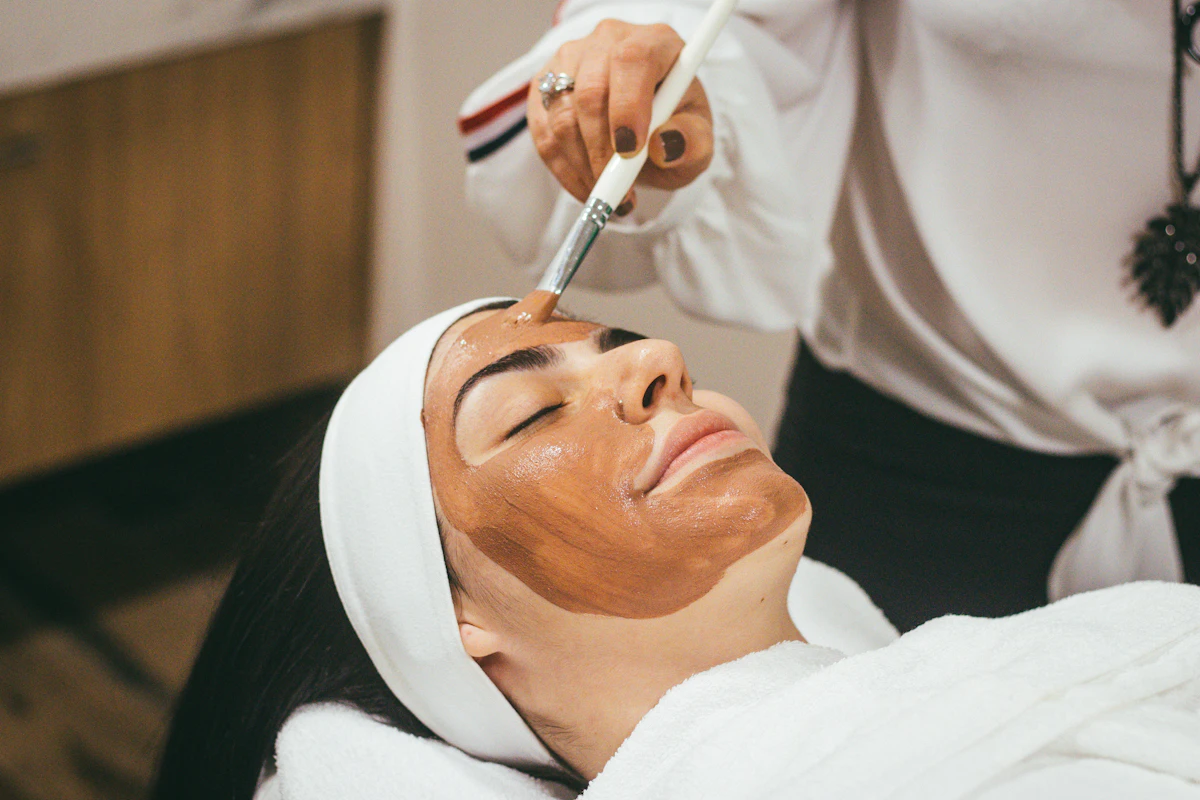
Before-and-after photos are the single highest-converting content type in med spa marketing. Nothing else comes close. Not testimonials. Not educational blog posts. Not polished brand videos.
A prospective patient scrolling through your Instagram or browsing your website gallery is doing one thing: imagining herself in that "after" photo. If your images are compelling, consistent, and trustworthy, she books. If they look amateurish, over-edited, or sparse, she moves on to the next practice.
But here is the problem most med spa owners run into. They know photos matter. They take them inconsistently, store them in a dozen different places, post them without proper consent, and wonder why their visual marketing feels disorganized. Or worse, they skip photos entirely because the compliance requirements feel overwhelming.
The compliance piece is real. HIPAA governs how you capture, store, and share patient images. But it is not as complicated as most practice owners assume. This guide covers the entire process: consent requirements, photography standards, organization systems, and how to deploy your photos across every marketing channel for maximum bookings.
Why before-and-after photos outperform every other content type
Posts with before-and-after images generate 2-5x more engagement than generic stock photography on Meta platforms. The reason is straightforward. Stock photos of smiling models tell a patient nothing about what your practice can actually do. Before-and-after photos are proof. They answer the only question that matters: "What will my results look like?"
This applies everywhere you market, not just social media. Google Ads campaigns with landing pages featuring real patient results see higher conversion rates than pages using stock imagery. Email campaigns with treatment galleries drive more click-throughs. Your website SEO pages hold visitors longer when they include authentic visual results.
Before-and-after photos also build trust in ways that written content cannot replicate. A patient reading "our Botox results look natural" is skeptical. A patient seeing 15 consistent before-and-after photos of natural-looking Botox results is convinced. Visual proof eliminates the gap between your claims and the patient's belief.
HIPAA consent requirements: what your authorization form must include
Before-and-after photos are protected health information (PHI) under HIPAA. The photo itself reveals that a patient received a specific medical treatment at your facility. That makes it PHI regardless of whether you include the patient's name.
Your standard treatment consent form does not cover marketing use of photos. You need a separate, specific written authorization. According to the U.S. Department of Health and Human Services HIPAA Privacy Rule, a valid authorization must include:
- A description of the information to be disclosed. Specify "photographs of treatment areas taken before and after [treatment type]"
- The purpose of the disclosure. State exactly how photos will be used: website gallery, social media, paid advertising, email marketing, printed materials
- Who will receive the information. Your practice, your marketing agency, specific advertising platforms
- An expiration date or event. The authorization cannot be open-ended. Specify a time period (e.g., 3 years) or a condition (e.g., until revoked in writing)
- The patient's right to revoke. Clearly state that consent can be withdrawn at any time in writing, and provide instructions for how to do so
- A statement that information may not be re-protected. Once disclosed, the information may not be covered by HIPAA if re-shared by a non-covered entity
- The patient's signature and date
Have patients sign this authorization on the day of treatment, ideally before the procedure when they are not groggy or uncomfortable. Keep the signed form in the patient's record and flag the associated photos as "consent obtained" in your image management system.
HIPAA violations for unauthorized use of patient photos carry fines from $100 to $50,000 per incident, with annual maximums of $1.5 million per violation category. The Office for Civil Rights (OCR) has increased enforcement actions against healthcare providers for social media and marketing violations. A single Instagram post with an unauthorized patient photo can trigger an investigation. This is not theoretical risk. It happens every year to practices that rely on verbal agreements instead of signed authorizations.
Photography standards that make your results look professional
The difference between a photo that books appointments and one that gets scrolled past is not the camera. It is consistency. A $1,200 DSLR produces worse results than an iPhone when the lighting changes between shots, the angles are different, or the background is cluttered.
Lighting. Use the same lighting setup for every photo. A ring light or two softbox lights positioned at 45-degree angles eliminates harsh shadows and provides even, flattering illumination. Natural window light changes throughout the day and creates inconsistency. Avoid it for clinical photography.
Background. Use a solid, neutral background for every shot. Light gray or pale blue works well. A clean wall in a treatment room works if nothing else is visible. Never shoot against a background with furniture, equipment, or other patients visible.
Angles. Standardize your angles for each treatment type. Facial treatments typically require front, left profile, right profile, and 45-degree oblique views. Body treatments need the same angle and distance in both photos. Mark floor positions with tape so every patient stands in the same spot.
Camera settings. If using a phone, lock the exposure and white balance so they stay consistent between the before and after shots. If using a DSLR, use manual mode with identical settings for both images.
Patient preparation. Remove jewelry, pull hair back the same way, use the same makeup level (ideally none). The goal is to isolate the treatment results from every other variable.
Timing. Take the "before" photo immediately before treatment. Take the "after" photo at the point of optimal results, which varies by treatment. Botox afters should be captured at 10 to 14 days. Filler afters can be taken same-day after swelling subsides. Laser treatments may need 4 to 6 weeks.
Organizing and tagging your photo library
A disorganized photo library is almost as bad as having no photos at all. When your marketing team needs a filler before-and-after for a Meta Ads campaign and spends 30 minutes digging through a phone camera roll, that is a system failure.
Build a structured photo library from day one. Every image should be tagged with:
- Patient consent status: Approved for marketing, approved for specific channels only, or not approved
- Treatment type: Botox, filler, CoolSculpting, laser resurfacing, etc.
- Treatment area: Full face, lips, jawline, abdomen, etc.
- Photo type: Before or after
- Date captured
- Photographer/provider
- Approved usage channels: Website, social media organic, paid ads, email, print
Store photos in an encrypted, HIPAA-compliant system with access controls. Google Drive or Dropbox with proper security configurations can work for small practices. Larger operations should consider dedicated medical photography platforms that integrate with your EMR.
Never store patient photos on personal devices. A lost phone with unencrypted patient images is a reportable HIPAA breach.
Ready to grow your practice?
Get a custom strategy for your med spa
Schedule Your Strategy SessionNo commitment required. No credit card.
Using before-and-after photos across every marketing channel
Your photo library is a marketing asset. Deploy it strategically across every channel where prospective patients interact with your practice.
Website galleries
Dedicate a results page to your best before-and-after photos, organized by treatment type. Include the treatment performed, the number of sessions, and the timeframe. Do not include patient names. Each treatment's service page should also feature 3 to 5 relevant photo sets inline with the content.
Organic social media
Before-and-after carousels consistently outperform other post types on Instagram and Facebook. Post 2 to 3 photo sets per week. Include the treatment name, number of sessions, and a call to action in the caption. Use relevant hashtags but never tag or identify the patient.
Email campaigns
Include a "Results Spotlight" section in your monthly newsletter featuring one standout before-and-after set. Link to your full results gallery. Treatment-specific emails promoting Botox or filler should always include at least one relevant photo set.
Google Ads
Landing pages for Google Ads campaigns convert significantly better when they include real patient results above the fold. Use your strongest photo sets for the treatments you are advertising. Ensure landing page images match the treatment referenced in the ad copy.
Meta Ads
Meta's advertising policies are stricter than Google's regarding before-and-after images in paid ads. Meta may reject ads that show before-and-after comparisons if they imply negative self-perception. However, you can use after-only images or "results showcase" formats that comply with their policies. Test different creative approaches and monitor approval rates. Organic posts on your Facebook and Instagram pages face fewer restrictions.
Printed materials
Brochures, treatment menus, and in-office displays benefit from your best before-and-after photos. Ensure your consent authorization specifically lists printed materials as an approved usage channel.
FTC guidelines: legal requirements beyond HIPAA
HIPAA governs patient privacy. The Federal Trade Commission governs advertising truthfulness. Both apply to your before-and-after photos.
The FTC Endorsement Guides require that before-and-after photos represent results that a typical patient can expect. If you only post your most dramatic transformations, the FTC considers that misleading. You are implying that every patient will achieve those results.
Practical compliance means:
- Do not cherry-pick only exceptional results. Show a range of outcomes that represent the typical patient experience
- Do not digitally alter photos beyond standard color correction and cropping. No smoothing skin, no adjusting proportions, no enhancing results with filters
- Include context. State the treatment performed, number of sessions, and any relevant disclaimers about individual variation
- If results shown are atypical, disclose that clearly. "Individual results may vary" alone is no longer considered adequate by the FTC. Specify what a typical patient can expect
Create a standardized caption template for your team: "[Treatment Name] | [Number] sessions | Results shown at [timeframe]. Individual results vary based on anatomy, skin type, and treatment response." This ensures every post includes proper context without your team having to write it from scratch each time.
Common mistakes that undermine your photo marketing
After 20+ years working with med spa practices, these are the mistakes I see most frequently.
Over-editing photos. Filters, smoothing tools, and color manipulation destroy credibility. Patients can tell when a photo has been enhanced. It makes them question whether the results are real. Stick to basic exposure correction and cropping.
Inconsistent shooting conditions. Different lighting, angles, distances, or backgrounds between the before and after shots make comparisons meaningless. The difference between the two photos should be the treatment result, not the photography conditions.
Missing or incomplete consent. Verbal consent is not consent under HIPAA. A general treatment consent form is not a photo marketing authorization. Every photo you publish needs a signed, specific, written authorization on file.
Posting identifiable information. Even with consent, avoid including elements that make patients easily identifiable to people who know them: distinctive tattoos, jewelry, or backgrounds that reveal location. Crop tightly to the treatment area.
Neglecting the photo library. Taking great photos means nothing if they sit on a camera roll. Build the workflow so photos move from capture to organized storage to marketing deployment within a defined process.
Using the same photos for years. Fresh results signal an active, thriving practice. If your newest before-and-after photo is from 2024, prospective patients notice. Make photography a consistent part of your treatment workflow, not an occasional effort.
Building photography into your daily workflow
The practices with the best photo libraries are not the ones with the best cameras. They are the ones that made photography a non-negotiable step in every treatment visit.
Here is a workflow that works:
- At check-in: Confirm photo consent status. If the patient has not signed a marketing authorization, present one. Do not pressure. Simply make it available
- Before treatment: Capture standardized before photos using your defined angles, lighting, and background. Takes 2 to 3 minutes
- After treatment (or at follow-up): Capture after photos using identical conditions
- Same day: Upload to your organized library with proper tags. Flag consent status
- Weekly: Your marketing team reviews new photos and selects the strongest sets for upcoming campaigns
This adds fewer than 5 minutes per patient visit. Over the course of a month with 200+ patients, you build a library that fuels every marketing channel.
If you want a marketing partner that builds compliant photo workflows, reputation management systems, and high-converting campaigns around your real patient results, schedule a strategy session with Pronk MedSpa Marketing. We help practices turn their best work into their best marketing. No commitment required. No credit card.